station Arnhem presikhaaf

view 1.1

routing: existing and proposedrouting huidig.2routing nieuwisometrie niew en bestaanmasterplanPrint

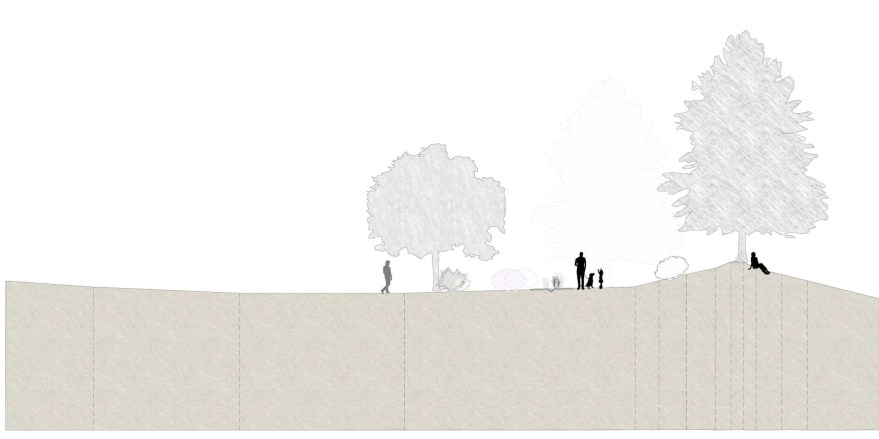
cross sectiondoorsnede 2

elevations

Print

elevation 2.2dwgview 2.1view 4.1

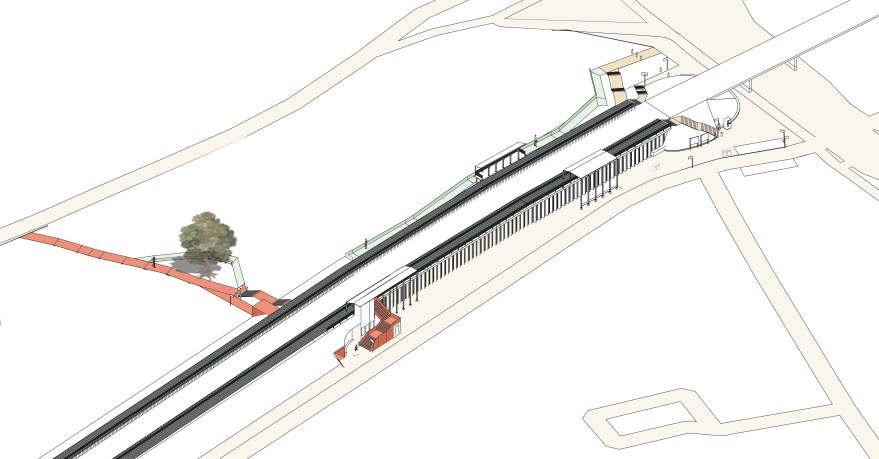
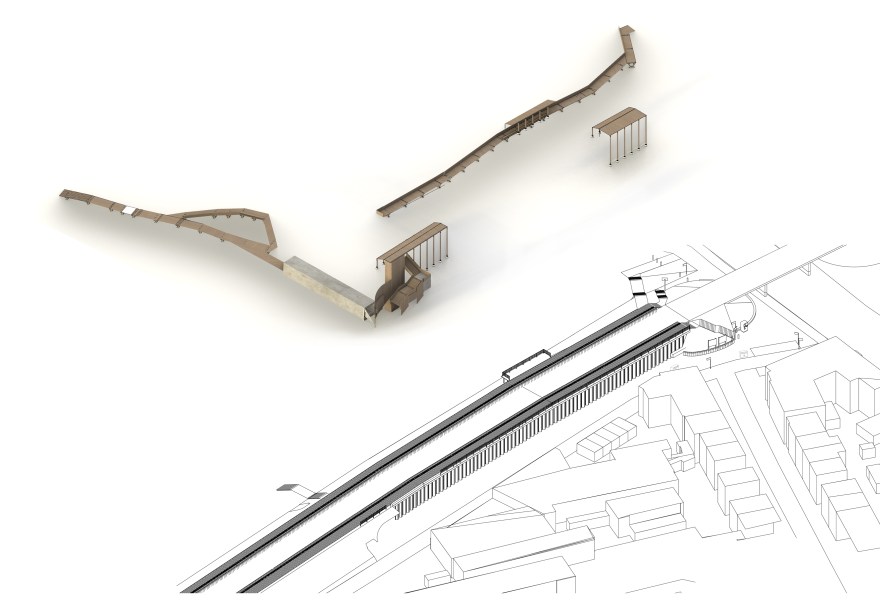
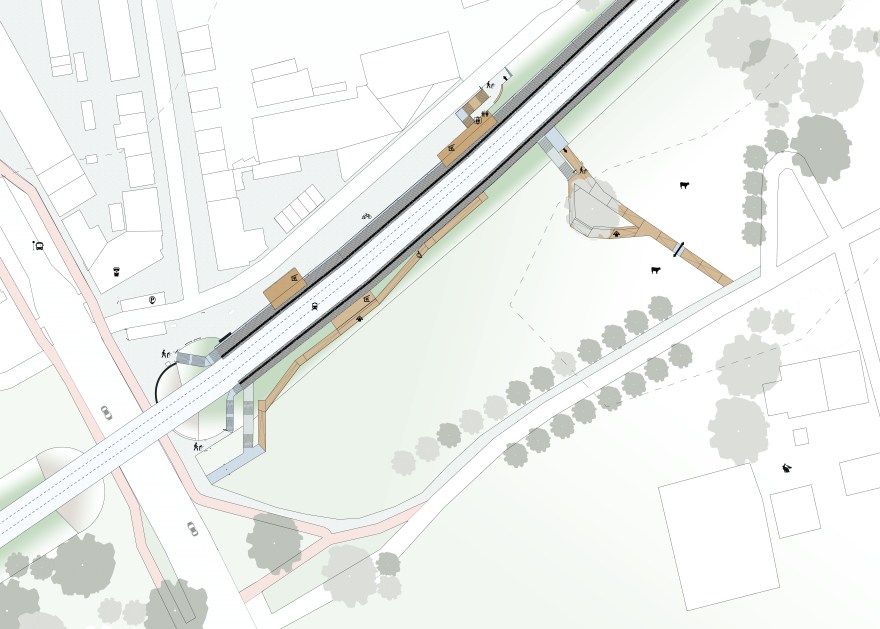
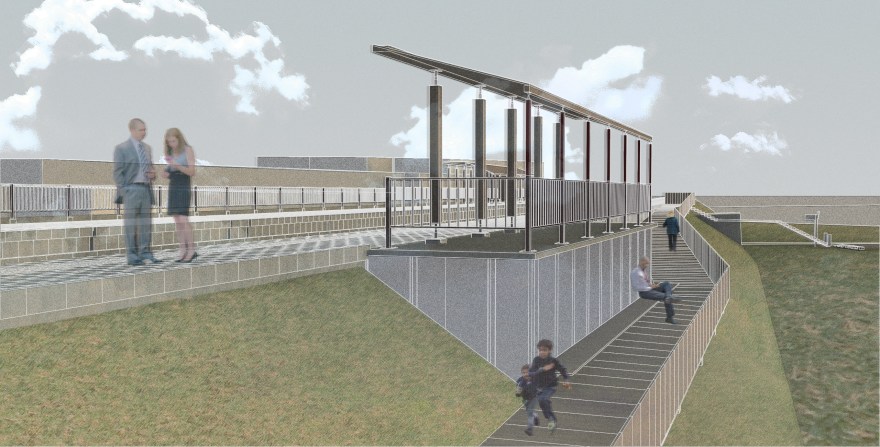
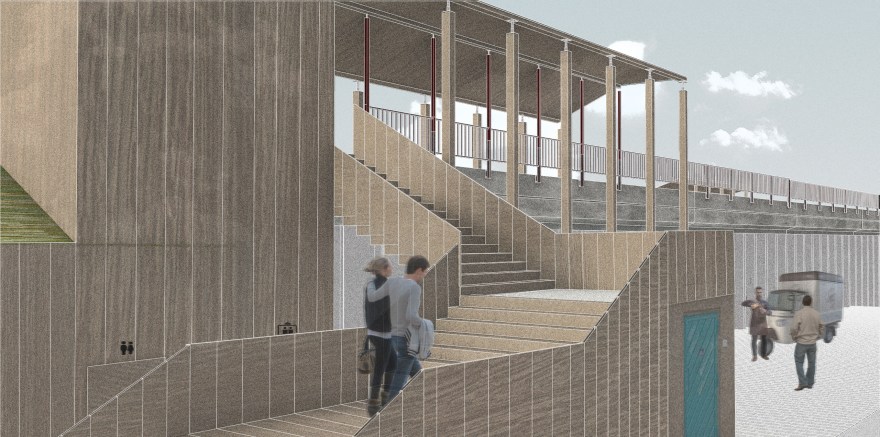
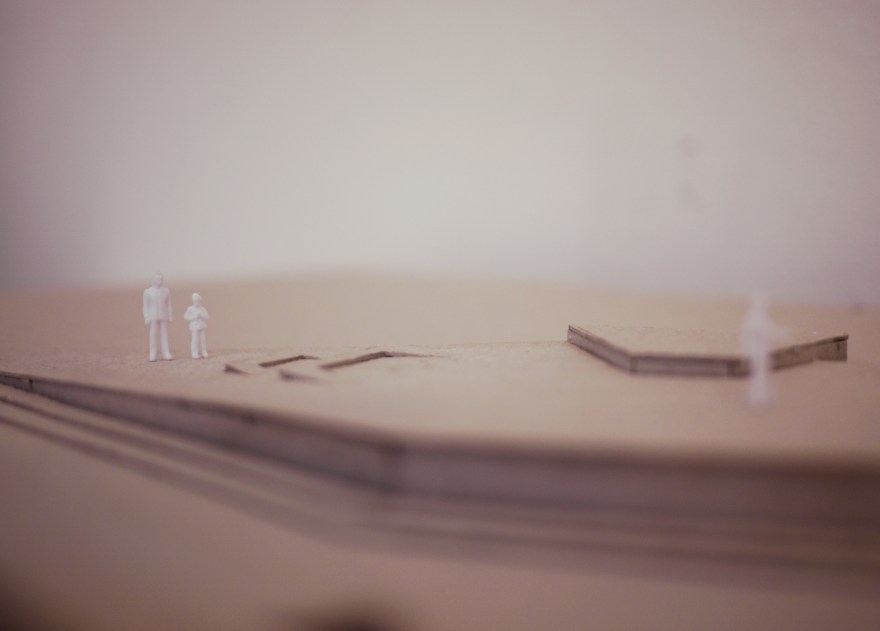
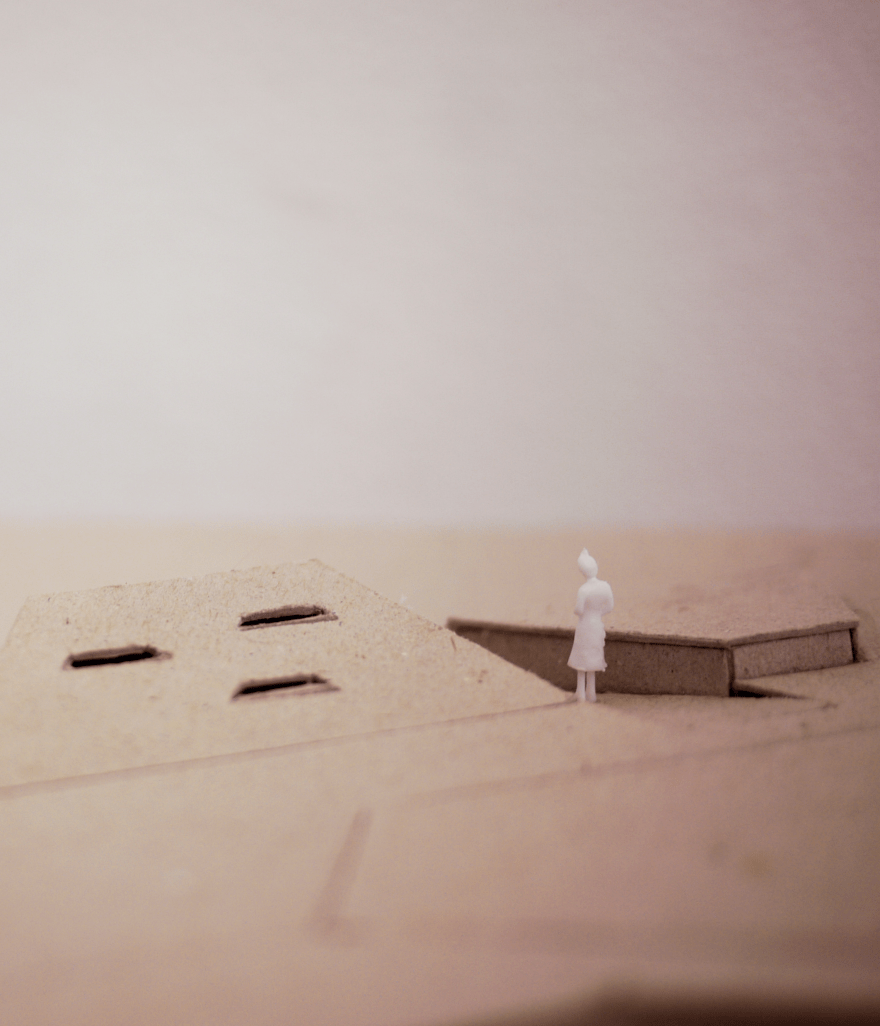
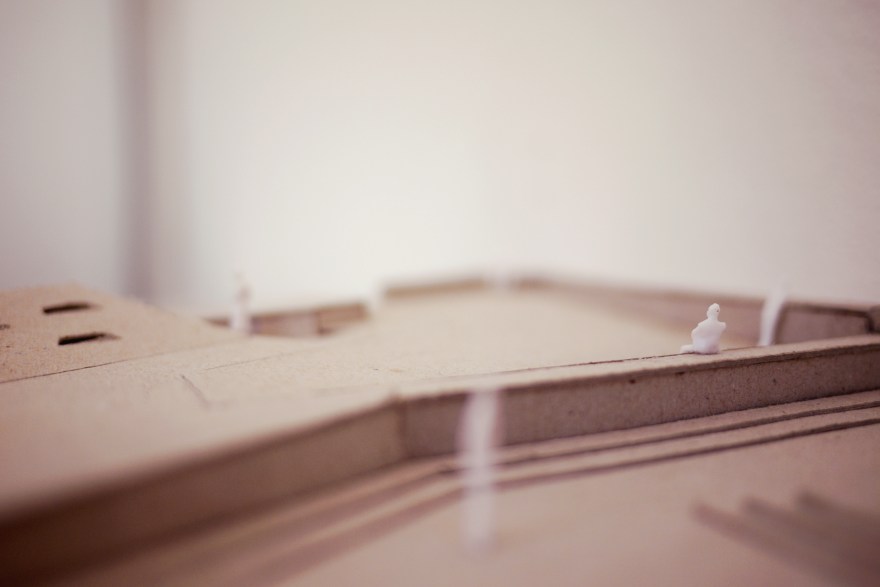
Presikhaaf, a large residential neighbourhood in the southeast of Arnhem municipality, is a prime example of Dutch 60s CIAM-architecture. The thoughts on rationalization, standardization, the neighbourhood unit and living quality were executed on urban scale. The redesign of station Presikhaaf, originally built in 1969, proposes to interpret the CIAM ideal of standardized building production and assembly and translate the use of pre-fab elements to a configuration that is easy to implement and construct. The proposed design uses existing pre-fab NS (Nederlandse Spoorwegen) building parts to extend the existing station structure. The proposal thus preserves a unique architecture and planning discourse, while linking it to modern needs through minimal intervention. However, to obtain a light-wait and comfortable atmosphere for travellers, this project explores the combination of heavy pre-fab concrete elements with more natural elements. Inspiration is derived from both CIAM heritage and its local embeddedness in Presikhaaf and Japanese culture and building construction. In Japanese tradition, there is a strong linkage between in- and outdoor area’s, known as ‘enagawa’; the gradual transition from nature to the interior. Therefore, in addition to the concrete elements, wood has been used as main cladding.

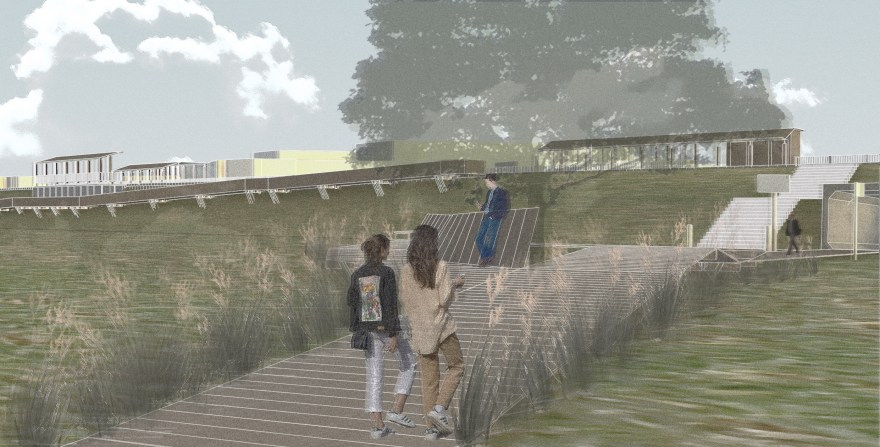
The ramp follows the curve of the existing grass hill, consistently looking out over the park, which mentally introduces the greenery of Presikhaaf to a larger public. The aim is to provide a better connection (not only in mobility) between daily travellers, mostly from HAN, and their destination area. NS pre-fab trestles are placed in the hill to support the path. Due to the new routing and its passageway through the meadow, the old oak tree has been given more attention; it is now ‘embraced’ by an efficient path and more leisurely path, thus experienced more closely. Almost all trees surrounding Arnhem Presikhaaf station are oak trees, some with protected status. The surrounding inspired the use of oak tree for the board walk and the extension of the station.


mini-icons

jan scorelbrug

achterhavenbrug

20 original bridge houses are scattered around Rotterdam like candy at Halloween trick or treat. These mini-icons define spaces in the city where different historic and infrastructural layers intertwine.

Once machined by physical human power to open and close bridges, these ‘houses’ are now mostly automated and thus unhabited. Together they form an urban heritage network. Each house is unique by location, size and architectural design.
They are one of a kind. 

In my final thesis for my studies in Human Geography and Planning I put the focus on the current position of these bridge houses within the larger context of urban (heritage) planning and development. Why and in what way are the citizens of Rotterdam involved in re-use ambitions? And even more important, have ambitions been translated into successful actions? My thesis project provides (attempts to) answers – please contact me if you’re interested in reading my conclusions. 

Resulting from thorough literature research, 16 interviews with involved citizens, and my own observations, I have developed my own love and ambition for these icons. I am currently in collaboration with architect Maria Vera van Embden Andres (http://www.mariavera.nl/), who has transformed four bridge houses on the Koninginnebrug into light art installations, to further explore opportunities to redefine the relevance and value of these houses within contemporary Rotterdam.

de gele draad

Gebied uitgewerkt-1

diagram open bouwblok

Hofplein 1 herbestemd-1Hoflane 1-1hofsteeg1-page-001

hofjes 2hofjes 1

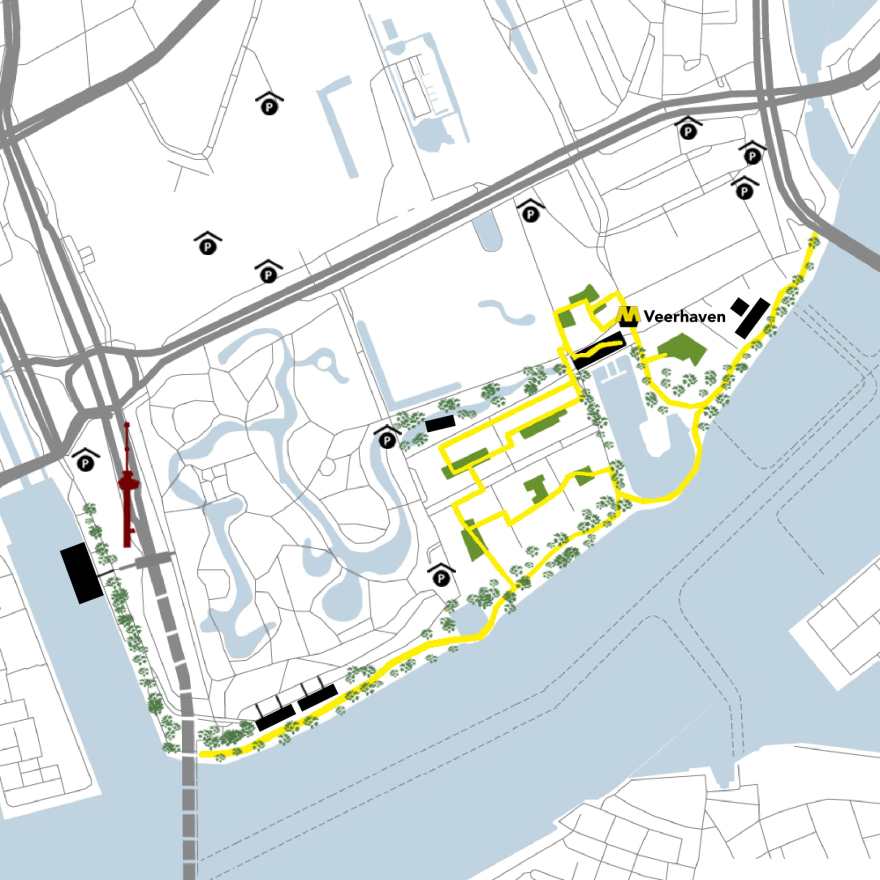
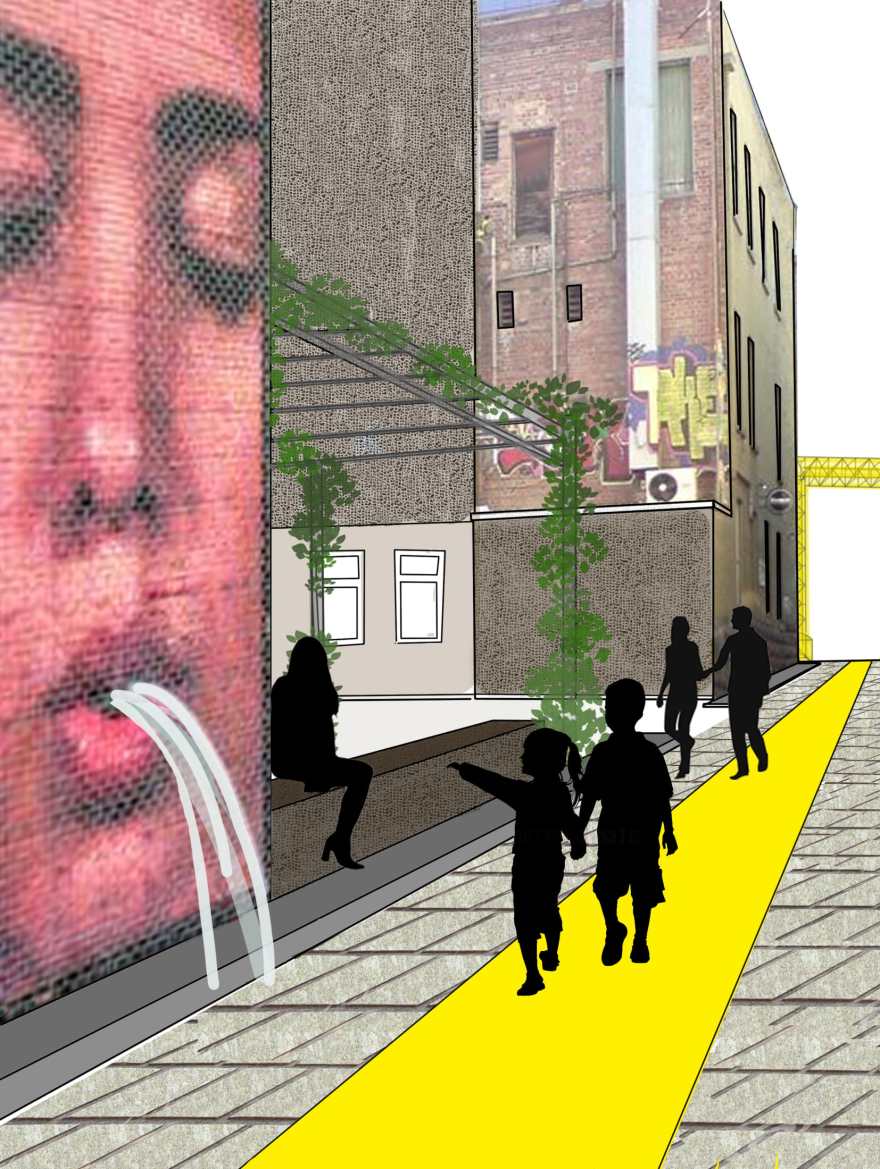
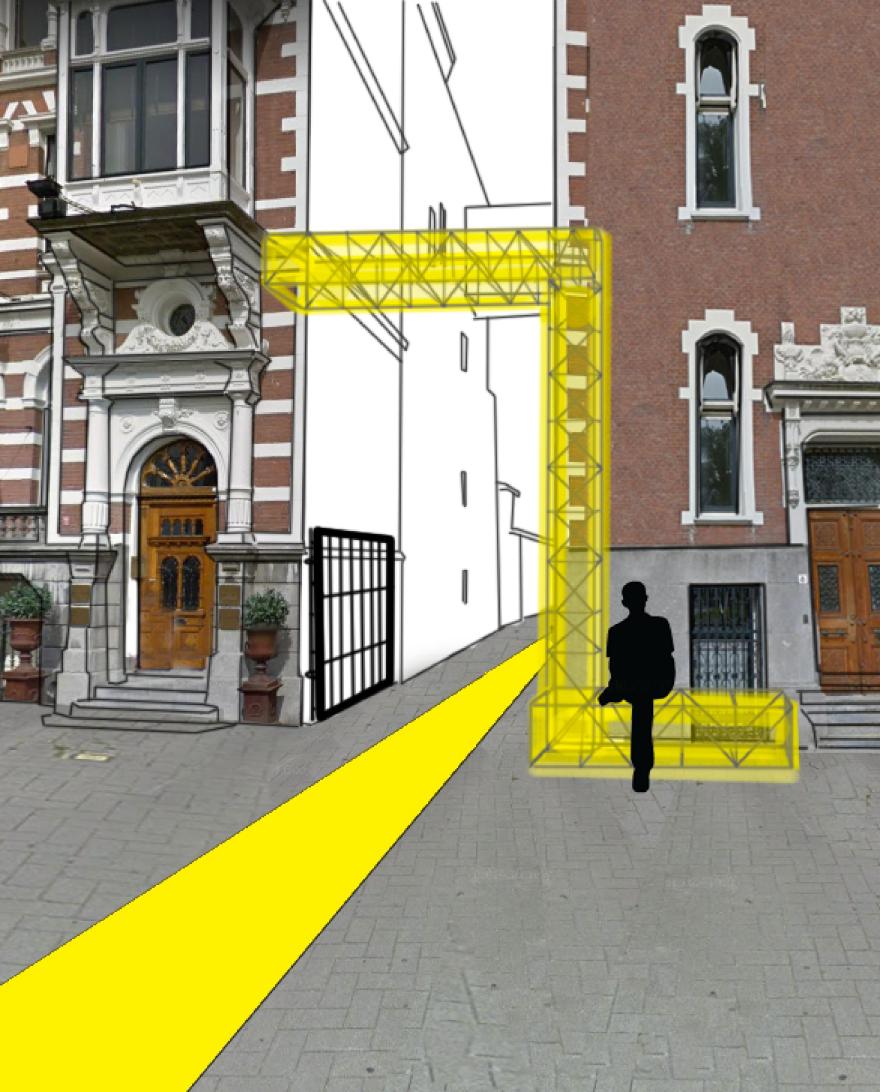
De gele draad, the yellow thread, is an urban design proposal for the area surrounding the original Veerhavens along the Maas river in the Rotterdam, the Netherlands. 

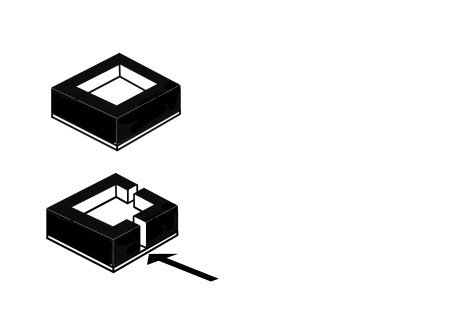
The current courtyard structure and its adjacent historic buildings hold an important heritage value for the city of Rotterdam – this area is one of the few intact after the world war II bombings. However, the potential of these court yards haven’t been fully explored and utilized in the recent decades. The courtyards are invisible to the eyes of passing people, overgrown and abandoned behind walls and fences.

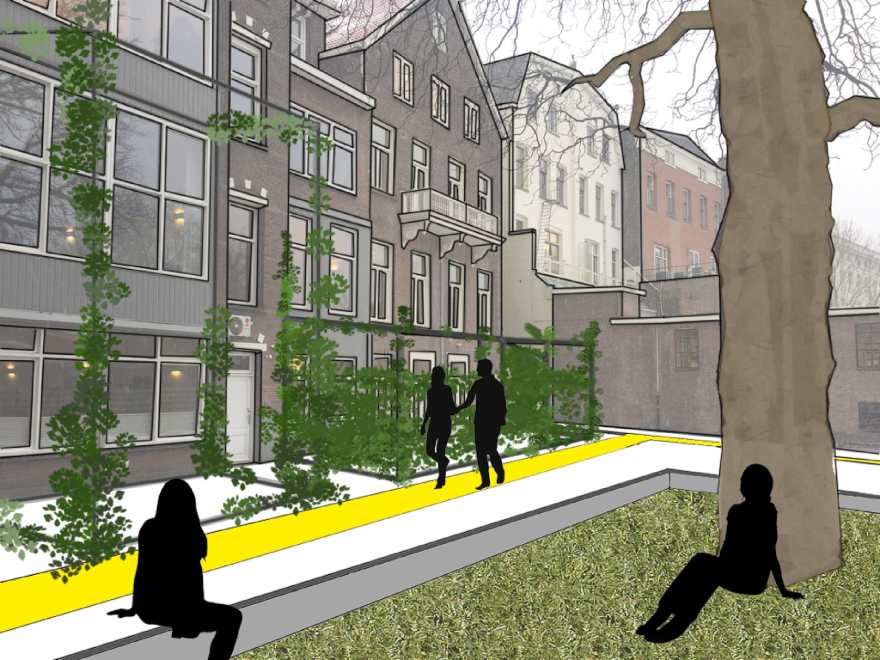
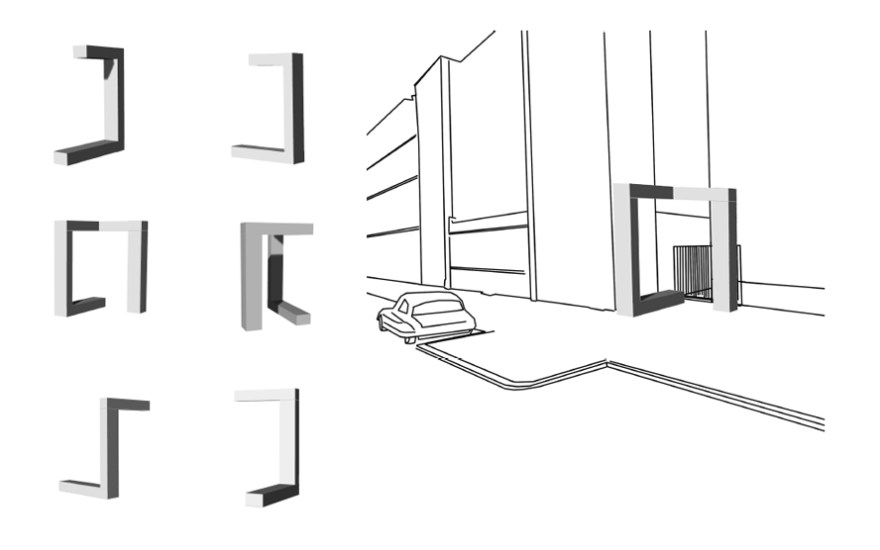
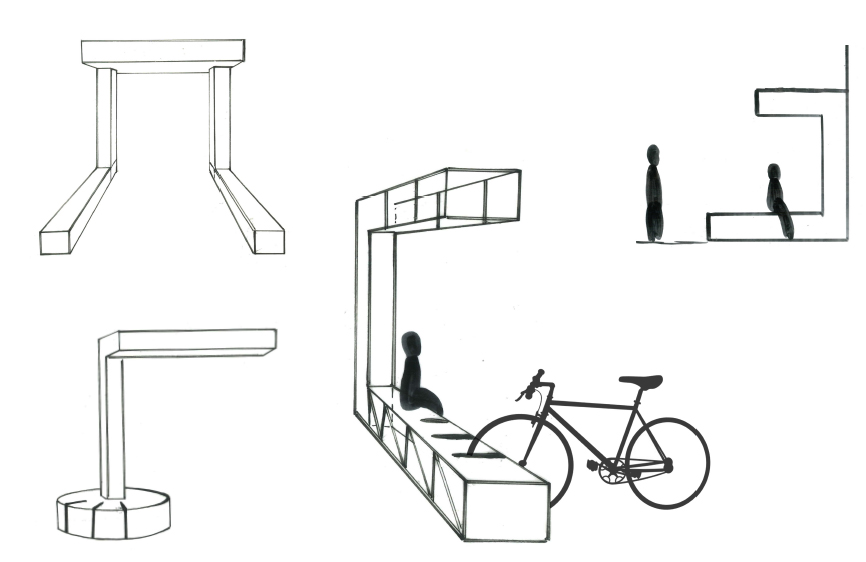
Taking inspiration from industrial port infrastructure, this proposal introduces a literal yellow thread which lights up at night due to a fluorescent coating. It opens up these enclosed court yards and invites both locals and visitors to explore historic inner city grounds. The thread and its entrees transform the former unused, concrete areas into peaceful, recreational spaces by reorganizing car parking, creating (water) bassins, introducing street art and adding greenery.

urban escape

location


design creation

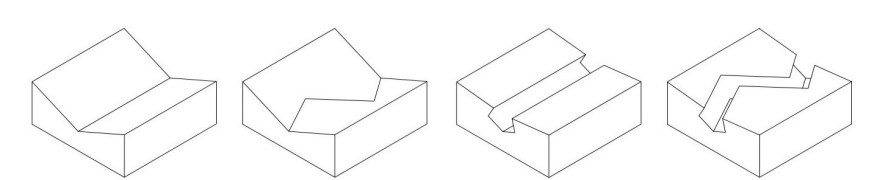
  1. fold                                             2. twist                                             3. repeat fold                                 4. result


situaton

strategic plan

sgpb_oktober_2017-website-1

photoshop section-1

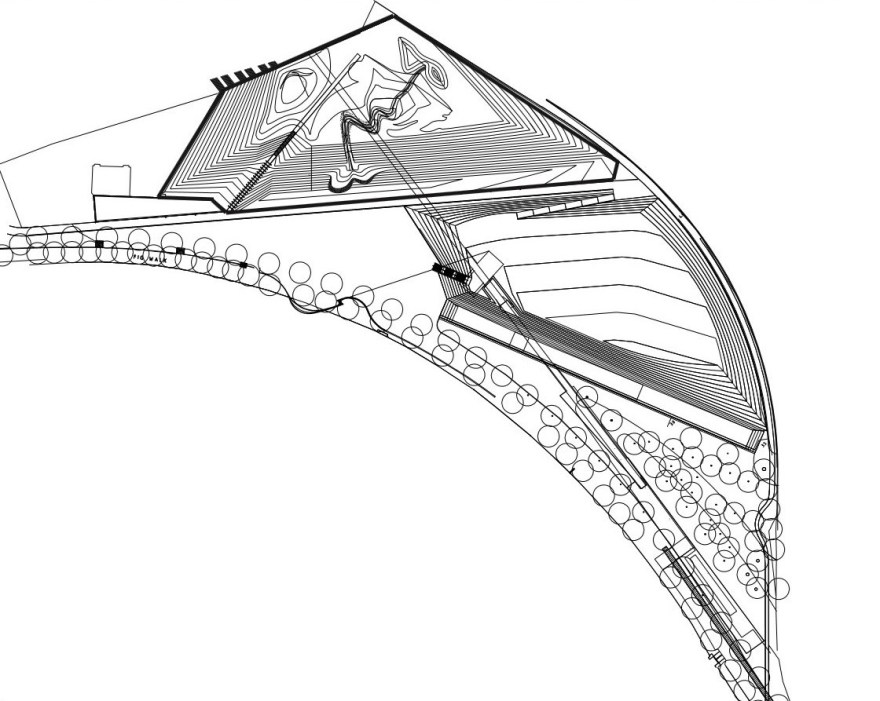
Urban Escape is a redesign proposal of Birrarung, an urban park located between the dense urban environment of Melbourne CBD, and Yarra River.

Birrarung Marr acts as a vital green space, providing recreative opportunities for Melbourne’s population. Currently there aren’t many areas of seclusion and escape, therefore the addition of smaller spaces for visitors to explore and use would complete this larger scale of the site and it’s place in the city.

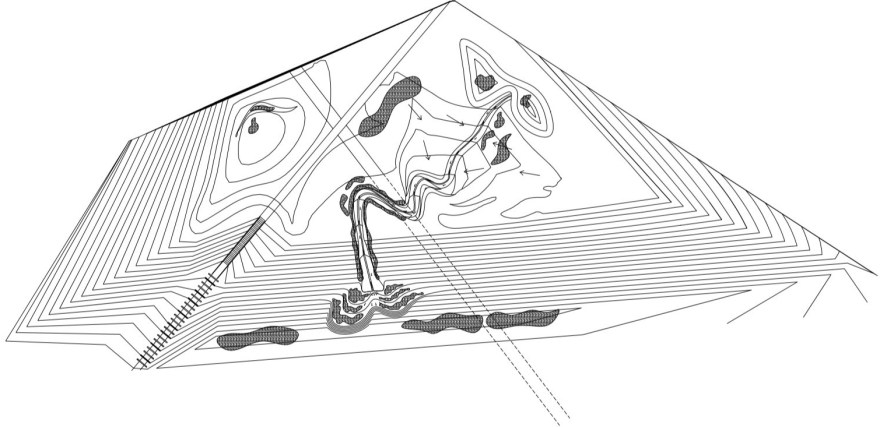
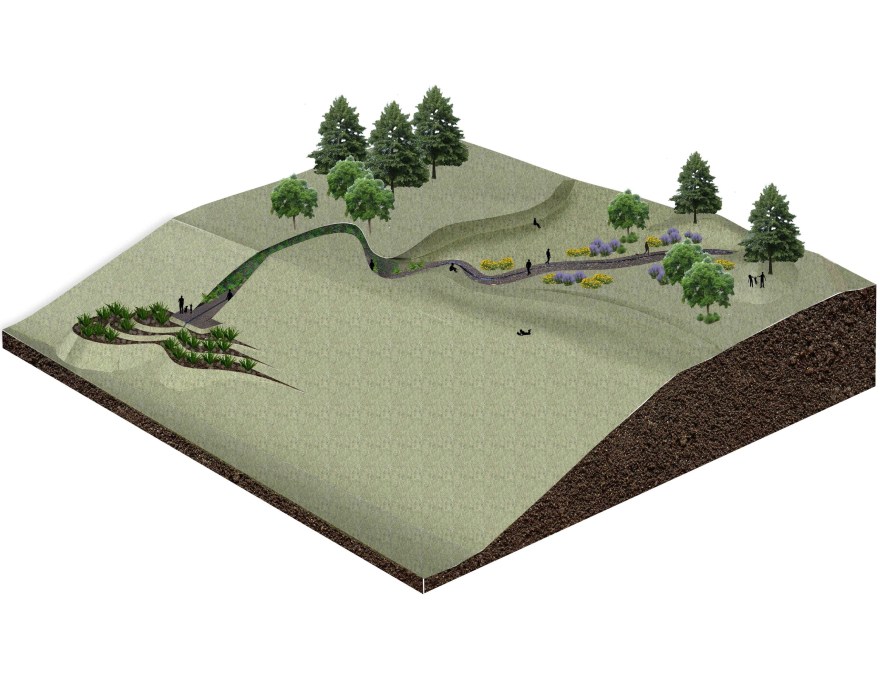
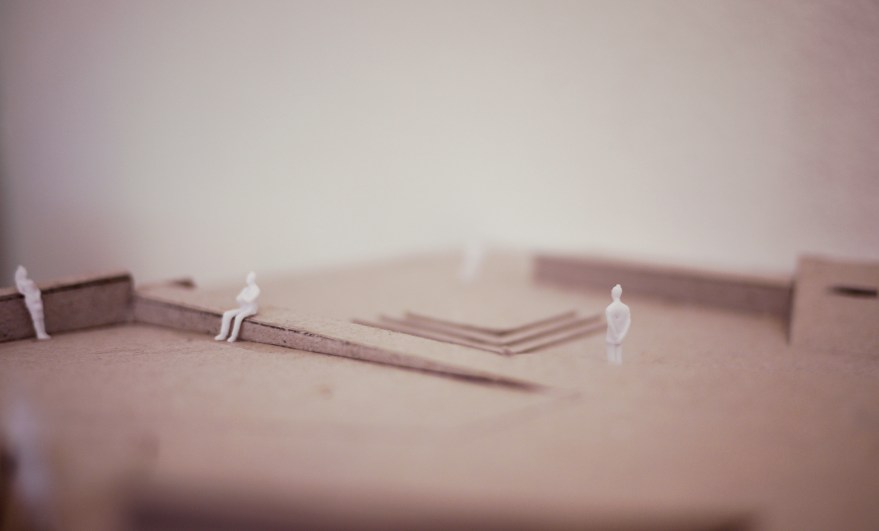
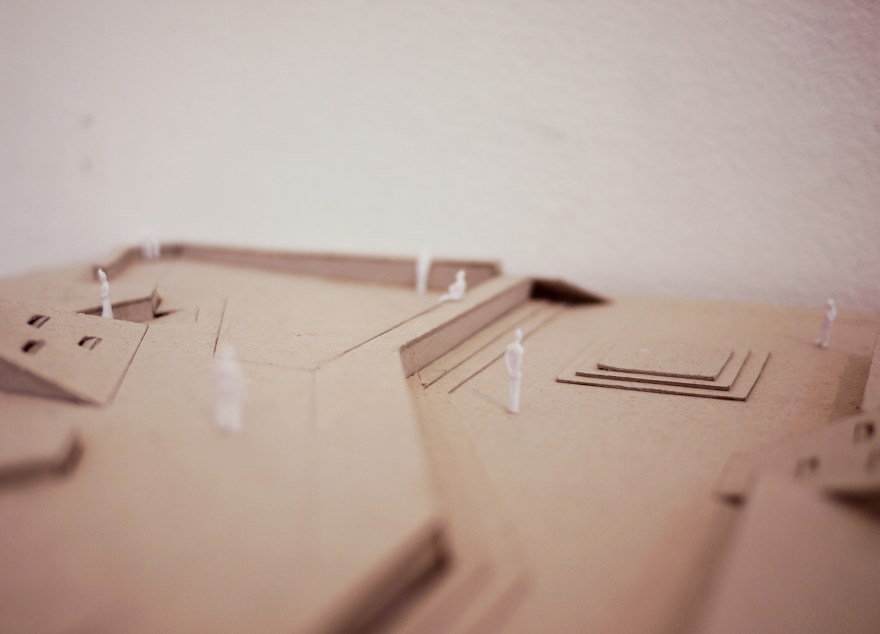
The new site designed by the fold and twist of the ground plane creates new experiential moments for occupants of the site. These experiences are moments of intimacy within the gorge which also act as a place of refuge during hot or rainy days within the larger context of Birrarung Marr.

*This design proposal won the Robert van de Graaff Technology Award 2016, RMIT University.

Trapezium

trapezium-4trapezium-5goeie-sectiontrapezium-2trapezium-1trapezium-3

Trapezium is a redesign of the Eight Hour Monument site, located on the intersection of Victoria Street and Russell Street in Melbourne. The trapezium as fundamental geometric form has, via patternmaking and the use of compositional principles, been translated into a proposed plan.

The site is situated in a busy part of Melbourne CBD – many people pass it on a daily basis. Therefore the ‘human scale’ – or more specifically -, usability, walkability and accessibility were significant objectives during the process of design. For example, accessibility for wheelchairs has been achieved by creating ramps and using subtle elevations with a maximum height of two meters.

Engagement with the surrounding environment, creates an open, public space, with relatively few boundaries and obstacles. Small ‘seating islands’ have been realised, varying from grass slopes to seating walls, with different slope gradients and directions so that users can face their surroundings in multiple perspectives. Within the space ‘enclosed’ by the tilts, the surface invites a wide range of activities such as play and encounter.